SHSM Documentation Doesn’t Have to Drain Teachers
If SHSM documentation feels like a second job, you’re not alone. Most SHSM teachers don’t just teach — they track. And that tracking can quietly become one of the most stressful parts of running the program.
The good news is that SHSM tracking can become manageable, and it doesn’t require fancy tools, complicated spreadsheets, or extra meetings. What it requires is a system that is simple enough to use consistently and easy enough for multiple staff members to follow.
The goal is not to build a perfect tracker that no one touches after September. The goal is to build a tracking routine that makes SHSM easier as the year goes on, especially during the busiest times of the school year. Here are five strategies that work in real schools and reduce the pressure on SHSM leads.
1) Create One Master SHSM Tracker
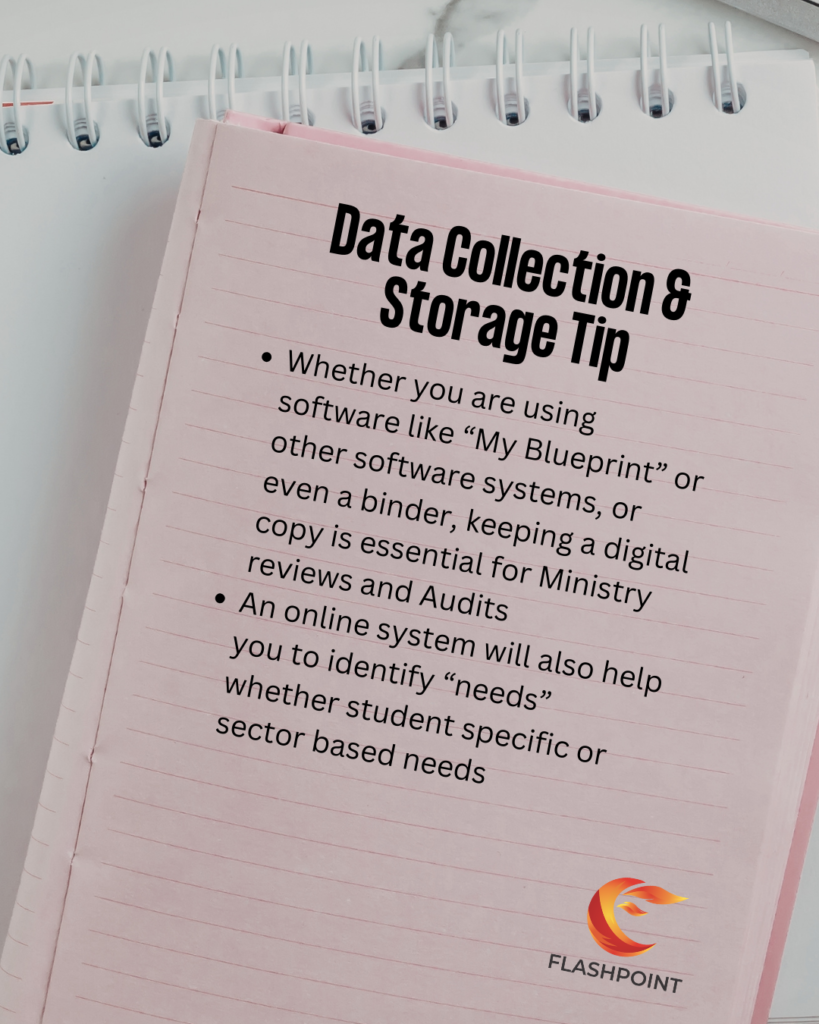
This is the number one fix for SHSM tracking stress because it eliminates confusion immediately. A “single source of truth” means one place where SHSM completion is tracked. One tracker. One official record. One version.
It could be:
- one shared Google Sheet
- one spreadsheet stored in a shared drive
- one LMS-based tracker
- one board-approved tracking tool
The format matters less than the consistency. What matters is that every staff member involved in SHSM knows: this is the official tracker.
When you establish one master tracker, you reduce the risk of missing students, duplicating records, or scrambling at the end of the year to figure out who has done what. It also makes it easier to support students who are behind, because you can see gaps early instead of discovering them in June.
A master tracker also protects your SHSM program long-term. If a staff member changes roles, goes on leave, or transfers, the program doesn’t lose its structure because the system is shared and visible.
2) Track in Real Time (Not at the End)
SHSM tracking becomes overwhelming when it is delayed. Most of the “tracking panic” teachers feel comes from having to reconstruct what happened months ago.
When teachers try to document everything at the end of the semester, it turns into:
- guessing who attended what
- searching for proof
- chasing students for reflections
- rebuilding records from memory
Instead, strong SHSM programs update tracking immediately after each event. This doesn’t need to be a big task. Even five minutes after an experience can prevent hours of work later.
Real-time tracking also helps you catch problems early. If a student missed something, you can plan a make-up option right away while there is still time. You can also communicate sooner with students who are falling behind, rather than waiting until it becomes a crisis.
A helpful habit is to build tracking into the event routine. For example, the day after a trip or guest speaker, the SHSM lead updates attendance and uploads any evidence. When you do this consistently, tracking becomes routine instead of stressful.
3) Make Evidence Collection Automatic
One of the best ways to reduce teacher workload is to stop treating evidence like something you collect later. If evidence collection depends on memory, it becomes inconsistent and frustrating.
Instead, build evidence into the experience itself so proof is created automatically while students are still engaged.
Here are simple methods that work well:
QR Code Sign-Ins
Students scan a QR code when they arrive. Attendance is instantly recorded and stored digitally, which is faster and more reliable than paper sheets that can go missing.
Simple Exit Tickets
A one-question exit ticket can be enough:
“What did you learn today that connects to your SHSM sector?”
It’s quick, it’s easy, and it creates documentation immediately.
Photo Proof (Where Allowed)
If your board or school policy allows it, photos can provide evidence. Even photos of student work, equipment, or learning stations (without faces) can support documentation and show the learning that took place.
Digital Reflections
Google Forms or Microsoft Forms make reflection evidence easy because they:
- collect responses automatically
- timestamp submissions
- store everything in one place
- reduce missing paperwork
When evidence is automatic, tracking becomes simpler and less stressful. It also makes the learning more meaningful because reflection becomes part of the experience, not something tacked on later.
4) Build Student Responsibility Into the System
SHSM works best when students understand that completion is a shared responsibility. Teachers should not be the only ones tracking progress, especially when students are capable of managing simple checklists and expectations.
Students should not find out in June that they’re missing requirements. They should know where they stand throughout the year, and they should be able to see what they still need to complete.
A simple solution is giving students a visible checklist or progress tracker. It can be:
- a one-page checklist
- a shared digital tracker
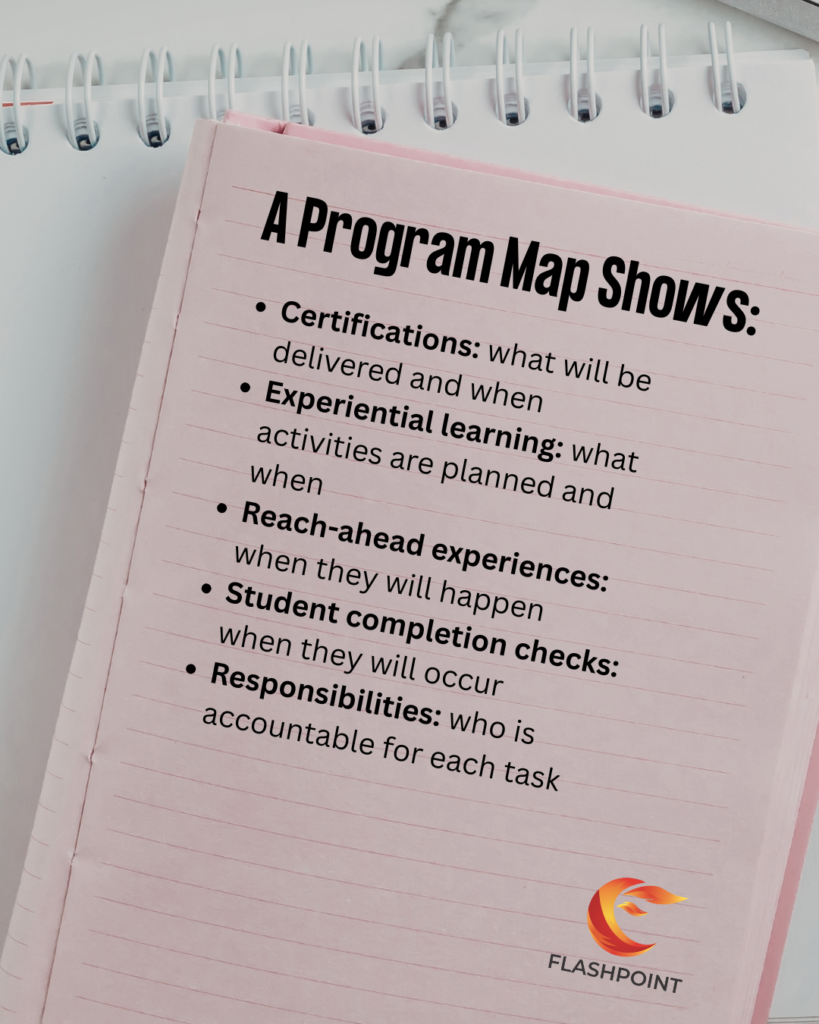
- a monthly “completion check-in” form
When students can see their progress, they become more accountable. They also become more motivated because completion feels real and achievable instead of vague.
Student responsibility reduces teacher workload because it decreases follow-up. When students understand what they need, they are more likely to submit reflections on time and show up prepared for experiences.
5) Schedule SHSM Completion Checkpoints
Many programs treat tracking as something you do at the end. That’s what creates the June panic. When tracking is delayed, missing requirements pile up and teachers are forced into last-minute problem solving.
Instead, schedule checkpoints throughout the year so you can solve small issues early. For example:
- November check-in
- February check-in
- April check-in
- May final audit
Checkpoints make tracking manageable because you’re reviewing progress in smaller pieces rather than trying to fix everything at once. They also improve student success because students who fall behind can be supported while there’s still time to catch up.
These checkpoints don’t need to be long meetings. They can be quick tracker reviews, short student check-ins, or simple reminders sent to students who need make-up opportunities. The key is consistency.
Final Thoughts: SHSM Tracking Can Be Simple, Consistent, and Sustainable
SHSM documentation can feel exhausting, but it doesn’t have to stay that way. Most tracking stress comes from systems that are unclear, inconsistent, or delayed until the end of the year.
When SHSM teams commit to one tracker, real-time updates, automatic evidence collection, student accountability, and scheduled checkpoints, the workload becomes lighter and the program becomes smoother.
And the biggest win is this: when tracking is organized, teachers get to focus on what SHSM is actually meant to be — meaningful experiences that help students build confidence, explore careers, and feel excited about their future.