
We ignite the passion & purpose in each individual
By helping you find your Spark!

We Design Custom Fields Trips and Learning Experiences
Contact us today to learn more
Upcoming Experiential Learning:
We will be releasing field trips each week from now until September. Please check in regularly to see upcoming trips in your region.

$129-Argos Career Talk+ Taping Session+ Game

Lego SPE-ICe-Health and Wellness & Sports SHSM's
Lego SPE-ICE-(London) Health and Wellness & Sports SHSM's

Ottawa-Customer Service and Conflict Resolution (Available English and French)
Cornwall-Customer Service and Conflict Resolution
Kingston-Customer Service and Conflict Resolution
Belleville-Customer Service and Conflict Resolution

Cornwall-Dual Certification Day (Available English and French)
Ottawa-Dual Certification Day (Available English and French)

NOVEMBER 2026 with Flashpoint and ORNGE
Kingston-Dual Certification Day (Available English and French)
Belleville-Dual Certification Day (Available English and French)

The Business of Chocolate with Marc Forrat
(Francais) L'enterprise du Chocolat avec Marc Forrat

$99-Ontario Power Generation and Flashpoint: SPE with OPG-Career Panel, Tour and More….
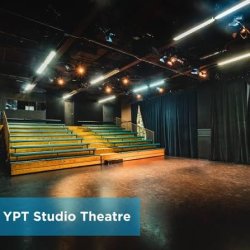
$99-Young People's Theatres
DECEMBER 2026 with Flashpoint and ORNGE

$99 MAY SPE/ICE with Flashpoint Training and Samsung Canada (TENTATIVE DATE–SUBJECT TO CHANGE)

$99-$129-SPE-ICE with Destination Toronto & Tourist Attraction (CN Tower or Ripleys Aquarium)

$119-SPE-ICE with the Toronto Zoo

$129 April SPE/ICE with Flashpoint Training + Toronto Blue Jays Game
$119 April Single Certification with Flashpoint Training + Toronto Blue Jays Game

$99 April Experiential Learning + SHSM Cert Aviation and Aerospace (Tentative Date)
$99 SHSM Certification- Experiential Learning + Motive Power Transportation Technical Program Tour and Activity
$99 April Experiential Learning + Project Management Electrical and Heating, Refrigeration, and Air Conditioning (HRAC)
$129 April SPE/ICE with Flashpoint Training + Toronto Blue Jays Game
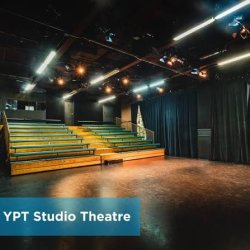
$99 Young People's Theatre SPE-Performance
$129 May SPE/ICE with Flashpoint Training + Toronto Blue Jays Game
$129 May SPE/ICE with Flashpoint Training + Toronto Blue Jays Game
About Us
Flashpoint offers field trips, onsite facilitated SHSM learning, virtual SPIE/ICE certifications, and conferences to help you make the most of your SHSM programming.
We make SHSM easy, with our engaging, youth focused content, led by first-class faciltiators.


Our Approach

Flashpoint was founded to break away from the traditional model of SHSM delivery. We focus on challenging students with real world problems that reflect real world experiences.
Flashpoint focuses on results and individual accountability. Our passion is to create long-lasting results, and to give students the skills and knowledge that they will need to succeed beyond school.
Our Standards

All of our material has been created and reviewed by professional trainers and our board certified teachers to ensure compliance with all ministry applicable SHSM training and educationguidelines.
Our typical SHSM certifications take about 3 hours to complete – but don’t worry because our content is relatable and engaging to make sure that your students get the best possible experience.
Why Us

For over 10 years, Flashpoint has delivered superior SHSM training to schoolboards throughout Ontario and across all SHSM sectors. We deliver the best material live and virtually.
Our facilitators are first class, having trained globally for Fortune 500 companies – and now we want to share that knowledge with today’s youth and ignite a passion for lifelong learning.
Got questions?
Feel free to reach out.